
Design Your Home to Defend Your Focus
Today we explore Focus-Friendly Home Design, turning living areas into reliable allies for concentration. Expect practical layouts, lighting strategies, material choices, and small rituals backed by research and lived experience. From studio apartments to shared family homes, you will learn approachable steps, meaningful tweaks, and gentle habits that protect attention, reduce decision fatigue, and make deep work feel inviting. Stay to the end for checklists, weekly experiments, and a friendly invitation to share your own wins.
Attention by Design: Foundations That Quiet the Noise
Focused living starts with understanding how the environment steers behavior. Visual clutter taxes working memory, noisy surfaces amplify stress, and frictionless temptations steal minutes. By clarifying sightlines, simplifying storage, and setting intentional defaults, your rooms stop shouting and begin whispering helpful cues. I once moved a bright basket of mail out of my peripheral view and gained fifteen calmer minutes each morning. Small, strategic changes compound. Use what you already own, measure results weekly, and reward progress so momentum feels natural rather than forced.

Zoning Flow: Carving Micro-Spaces in Any Floor Plan
Even in tight quarters, function grows when zones are defined by intention, not walls. Identify your primary activities and give each a consistent surface, light, and container. Establish anchor points—a chair, lamp, tray—that signal mode changes instantly. Redirect household traffic so through-paths bypass focus areas. In our rented one-bedroom, a rolling shelf became a movable boundary that turned the corner of the living room into a steady writing nook. Precision zoning reduces negotiation, protects flow, and keeps transitions smooth.
Single-Purpose Surfaces
Assign one job to each key surface. The dining table can host laptops, but only with a caddy that appears during work and disappears at mealtime, protecting both focus and family rituals. A dedicated writing board or portable desk mat anchors attention quickly, while a standing clipboard holds today’s priorities at eye level. When objects match the activity and vanish afterward, you avoid ambiguous clutter that drains energy and silently invites multitasking you never intended to do.
Movement Paths That Don’t Cross Work
Map daily routes with painter’s tape or a quick sketch. If kids or roommates cut through your work zone to reach the kitchen, your focus pays the toll. Reposition printers, trash bins, or snacks so common paths detour around deep-work areas. Consider shifting the desk a few degrees to remove your screen from the traffic corridor. When pathways stop intersecting with thinking space, interruptions drop, and even shared homes begin to feel quietly supportive of sustained effort.
Portable Zones for Tiny Homes
Create focus on wheels. A slim cart holds supplies, a clamp lamp, and a timer; roll it beside a chair to form an instant studio, then park it discreetly afterward. Foldable privacy screens, a wide scarf on a bookshelf, or noise-damping headphones become temporary boundaries that cue attention without remodeling. A lap desk with an attached pouch keeps essentials contained. By designing mobile zones, you gain consistency across rooms, schedules, and seasons, despite limited square footage.

Light That Guides Deep Work
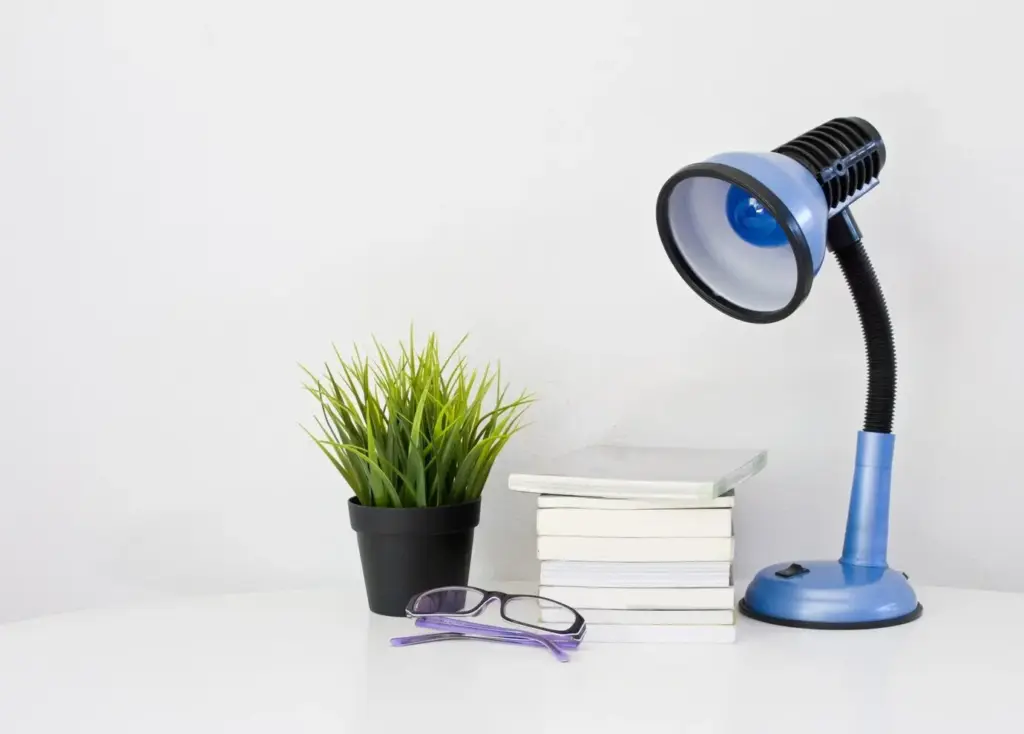
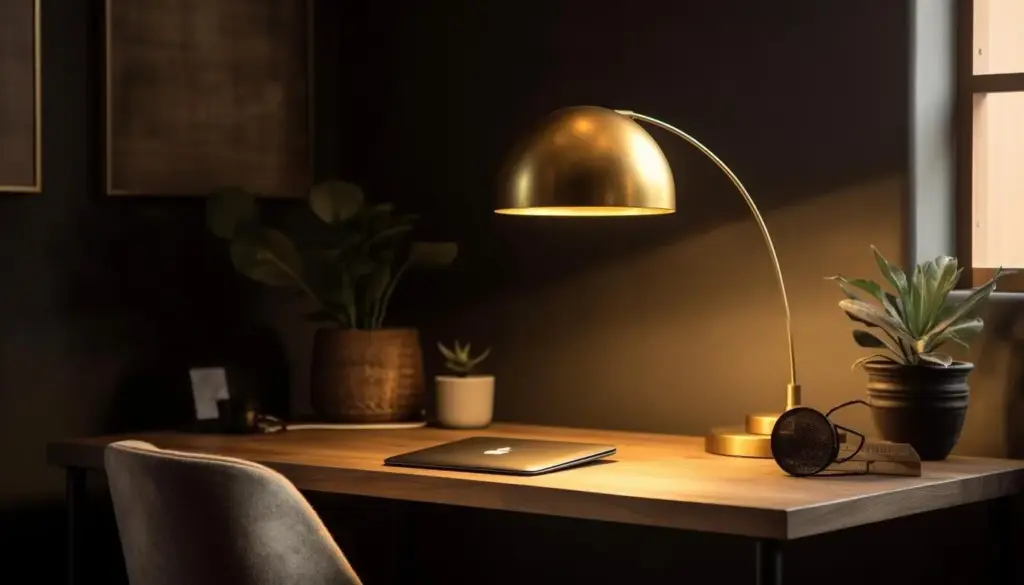
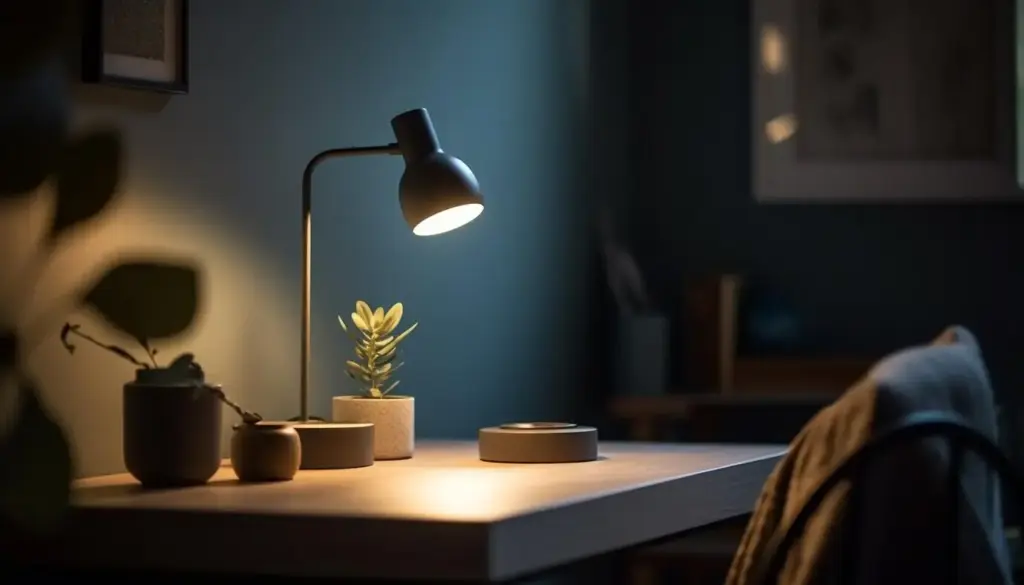
Light shapes alertness more reliably than coffee. Daylight stabilizes circadian rhythms, cooler temperatures support analytical tasks, and warm pools of evening light invite reflection and rest. Combine diffuse ambient light with focused task beams to minimize eye strain and reduce cognitive fatigue. Control glare with shades, repositioned screens, and matte finishes. I replaced a beautiful but bright pendant with a dimmable desk lamp and my headaches vanished. Intuitive lighting choreography makes attention feel easier, longer, and kinder.
Quiet Materials, Calming Colors
Materials speak at volumes we often ignore. High-gloss surfaces reflect commotion; soft textures absorb it. Low-saturation hues calm the nervous system, while loud palettes keep attention buzzing. Choose finishes that mute echoes and simplify cleaning so maintenance becomes automatic. I swapped a metal pen cup for cork and noticed the tiny clatter disappear. Layer rugs, curtains, and books to deepen acoustic comfort. A quiet backdrop does not dull creativity; it gives ideas the space to grow.


Technology Tamed, Not Banished
Digital tools can serve attention when their edges are carefully shaped. Set deliberate notification rules, hide temptations behind storage, and create physical homes for devices so decisions shrink. Pair software focus modes with environmental cues like a lamp or timer. I dock my phone on a kitchen shelf where it remains audible for true emergencies but invisible during work. By designing boundaries compassionately, tech supports craft, curiosity, and rest without colonizing every corner of your home.
Nature as a Concentration Coach
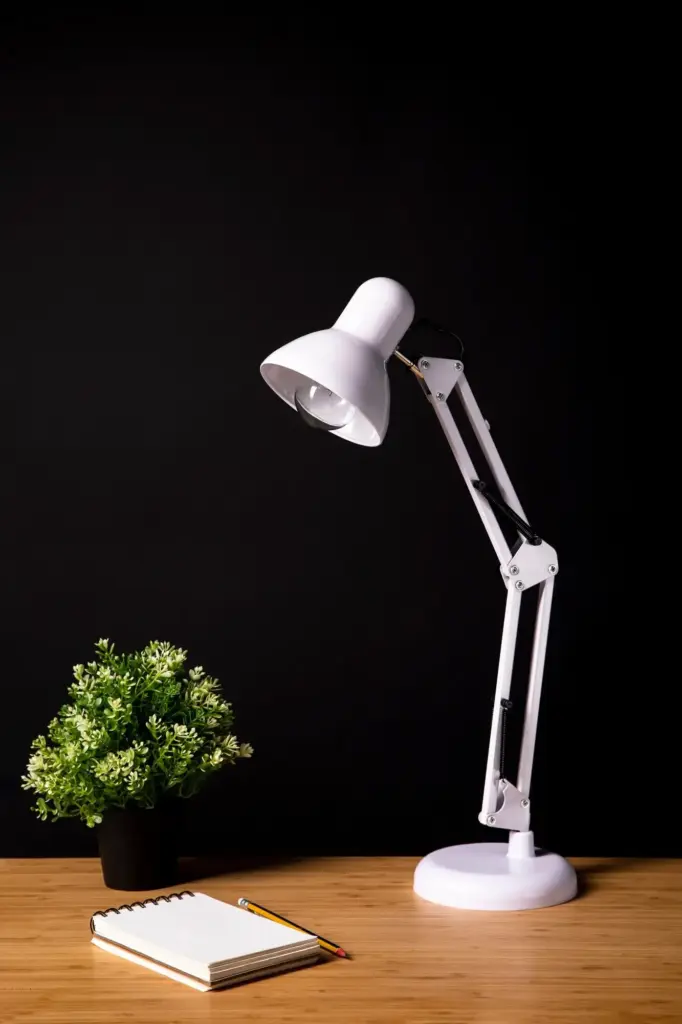
Biophilic cues restore attention gently and reliably. A glimpse of greenery, a textured wood edge, or a small bowl of river stones can reset mental fatigue better than another espresso. Bring in plants that thrive on neglect, natural fibers under hand, and artwork with soft fractal patterns. Position a seat to borrow a view of sky, even a sliver. I keep rosemary by the window; rubbing a sprig before writing refreshes focus faster than any trick app.
Rituals, Signals, and Maintenance
Attention thrives on repeatable beginnings and gentle endings. Build a start sequence that feels rewarding, an ending that protects evenings, and a weekly tune-up that keeps systems honest. In our house, a two-minute sweep every Friday resets supplies, empties inbox trays, and refills pencils. A small checklist by the door catches errands before they infiltrate work sessions. Consistency accumulates compound interest in calm. Invite your family or housemates into the signals so everyone benefits.
Start Cues That Tell the Brain It’s Time
Choose three cues you enjoy: a warm lamp, instrumental playlist, and a brewed cup of tea. Put them in the same order every day. Start with a single page of low-stakes writing or three minutes of planning to gain momentum. Hide your phone, then set a visible timer. These cues quickly become automatic, reassuring your brain that conditions for progress exist and that the next action is easy, specific, and comfortably within reach.
Stop Cues That Protect Evenings
End with closure rituals. Write a one-line summary, list the next actionable step, and cover your work surface with a cloth or closed notebook. Power down lights except a small accent, guiding attention away. Celebrate with a short walk or stretch. When endings feel complete and kind, after-hours rumination decreases. Suddenly, rest becomes restorative, mornings start smoother, and your space welcomes you back without leftover friction or invisible questions tugging at your attention.
All Rights Reserved.