Sharper Focus, Softer Eyes: Home Lighting That Works

Today we explore lighting strategies that boost attention and reduce eye strain at home, blending research with practical tweaks. Learn how color temperature, brightness, glare control, and layered fixtures can transform work corners, reading nooks, and kitchens into supportive spaces that keep minds sharp and eyes relaxed.

Circadian cues and alertness

Morning brightness with cooler tones signals wakefulness by nudging the body clock, while gentler evening light supports melatonin and easier wind-down. Aim for ample vertical light at eye level during focused hours, then soften intensity and warmth at night to protect sleep, clarity, and comfort.

Glare and contrast management

Harsh hotspots and shiny surfaces force the eyes to constantly adapt, eroding concentration. Use diffusers, lamp shades, and matte finishes to spread light broadly. Balance bright tasks with lit surroundings, reducing extreme contrast so print remains crisp without dazzling edges or distracting reflections.

The right brightness and uniformity

Target around 300–500 lux on desks for detailed work, with consistent spill lighting across walls to avoid tunnels of darkness. Keep shadows soft, distribute light from multiple directions, and check with a light meter app so your setting feels effortless, vivid, and low strain.

Layered Light for Real Homes

A single overhead bulb cannot do everything. Combine ambient wash, focused task beams, and subtle accents to create depth that guides the eye gently. Layers allow dimming flexibility throughout the day, matching energy peaks, calming evenings, and household routines without constant rearranging or compromise.

Ambient foundations

Build an even base with ceiling pendants, indirect uplight, or wall washers that remove dark corners. An inviting background keeps pupils stable, reduces visual effort, and lets task lamps work at lower levels, where edges stay comfortable and pages remain readable far longer.

Targeted task light

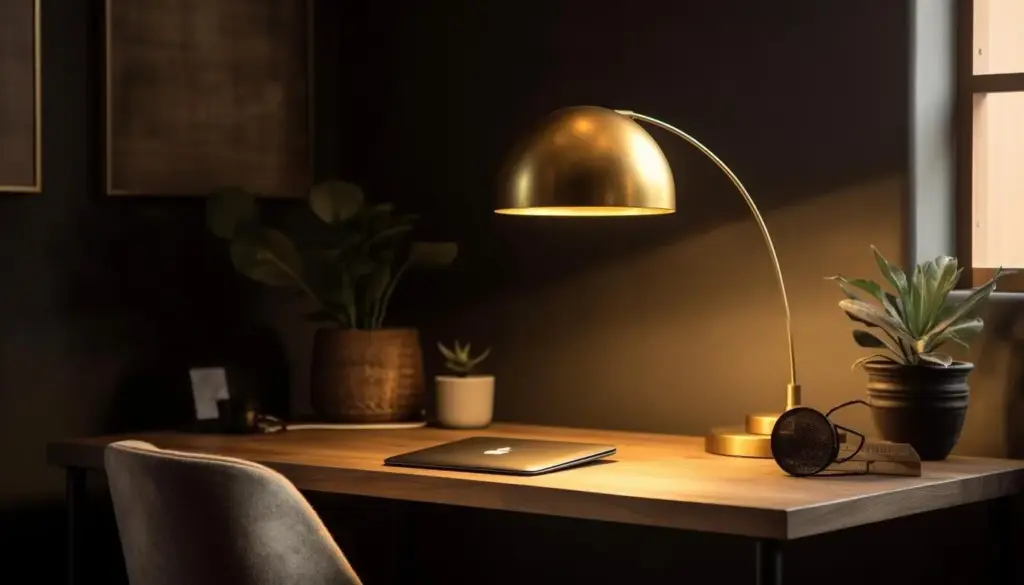
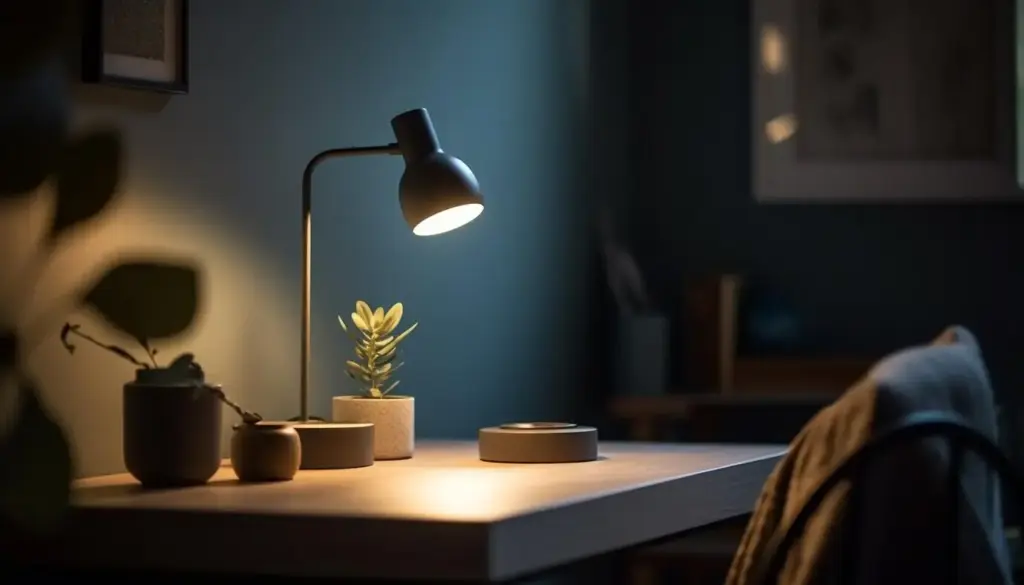
Adjustable desk or floor lamps with jointed arms, wide shades, and high-CRI bulbs place brightness exactly where needed. Position the head opposite your writing hand to minimize shadows, add dimming, and tune color temperature for spreadsheets, hobbies, or careful reading without squinting.

Soothing accent edges

Gentle accents behind plants, shelves, or artwork reduce harsh transitions, easing the shift between screen, page, and room. Backlighting a bookcase or adding cove illumination behind a sofa creates a halo that relaxes the eyes while subtly lifting attention and mood.

Room-by-Room Clarity

Each room asks for different cues. The home office rewards bright, cool-toned task light; kitchens need shadow-free counters; living rooms thrive on layered warmth for reading without glare. Use switches, dimmers, and placement tricks to tailor comfort and focus where life actually happens.

Home office energy

Place the desk near a window for soft daylight from the side, then supplement with a pivoting lamp that reaches the keyboard and notes. Avoid overhead glare on monitors, keep backgrounds lit, and switch scenes for meetings, deep work, and late-night wrap-ups.

Kitchen precision

Under-cabinet strips or puck lights aimed at the backsplash push brightness onto the counter without shining into eyes. Choose neutral to cool whites for chopping and reading recipes, and add a dimmed ambient glow for relaxed meals to maintain clear sightlines and comfort.

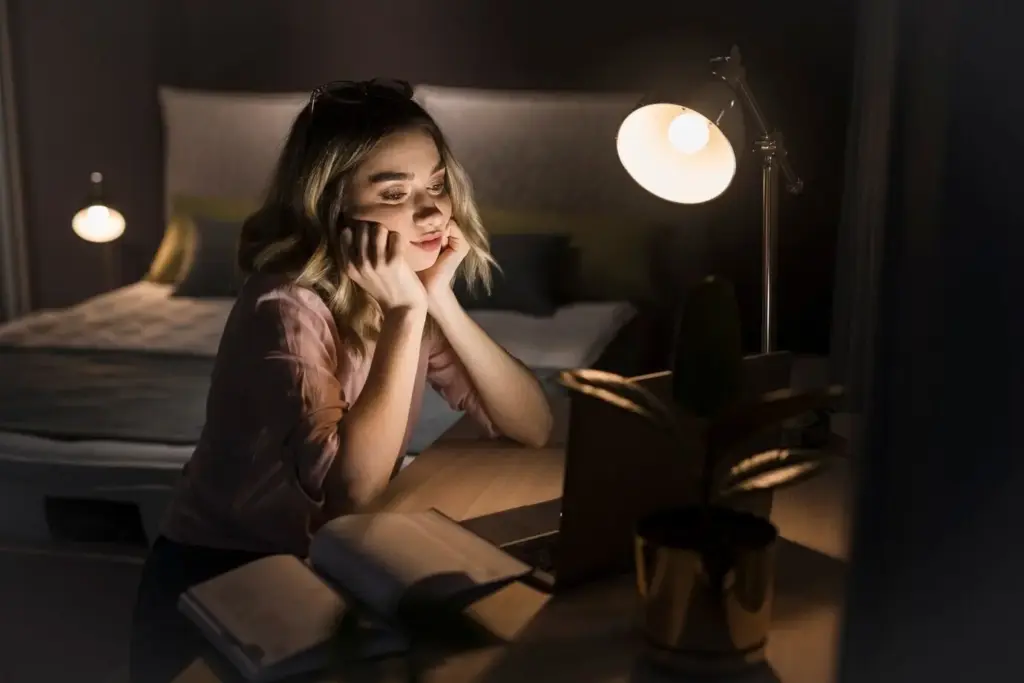
Color Temperature, CRI, and Bulb Choices

Color tone shapes alertness and mood. Use cooler whites around 4000–5000K for analytical tasks, warmer 2700–3000K for unwinding, and high-CRI lamps for vivid, accurate colors that reduce cognitive load. Mix types on separate controls to swap effortlessly between focus and relaxation.

Screens, Flicker, and Gentle Contrast

Screens create tricky brightness pockets. Reduce strain by lifting the room’s background light, adding bias lighting, and choosing flicker-free drivers that dim cleanly. Gentle, consistent contrast keeps pupils steady, which helps attention last longer during writing, coding, binge-watching, or family movie nights.

From Quick Fixes to Smart Control

Start small, then build. Simple repositioning and bulb swaps can transform comfort in minutes, while dimmers, sensors, and scenes bring lasting ease. Track what works, invite feedback from family, and share insights with our community so everyone gains calmer focus at home.
Latemapomaxofiru
Privacy Overview

This website uses cookies so that we can provide you with the best user experience possible. Cookie information is stored in your browser and performs functions such as recognising you when you return to our website and helping our team to understand which sections of the website you find most interesting and useful.