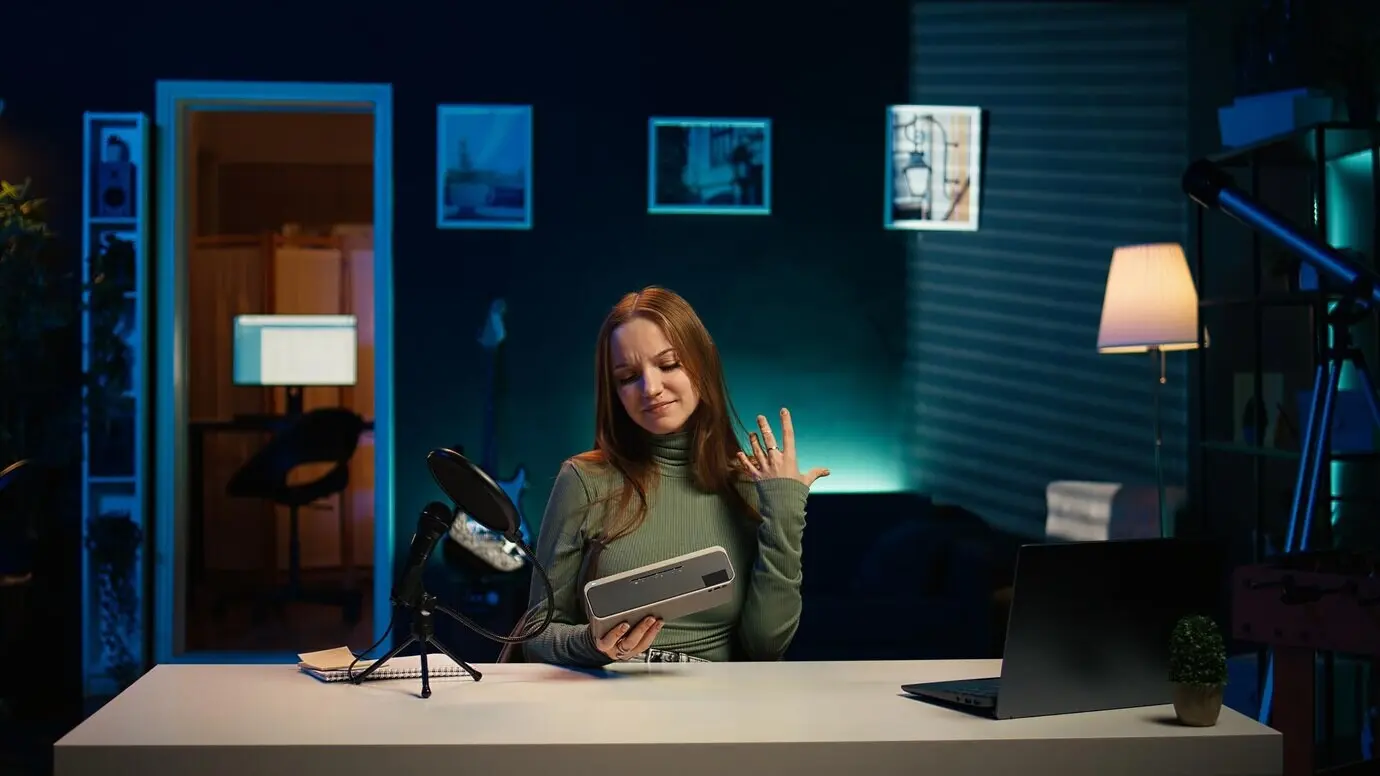

Shelf Spines and Storage Backdrops
Arrange a bookshelf perpendicular to the wall, turning it into a spine that carries both storage and privacy. Mix closed bins at ear height to dampen sound with open shelves above for plants and light. Secure safely with discreet brackets to prevent tipping, ensuring calm remains stylish, safe, and adaptable.
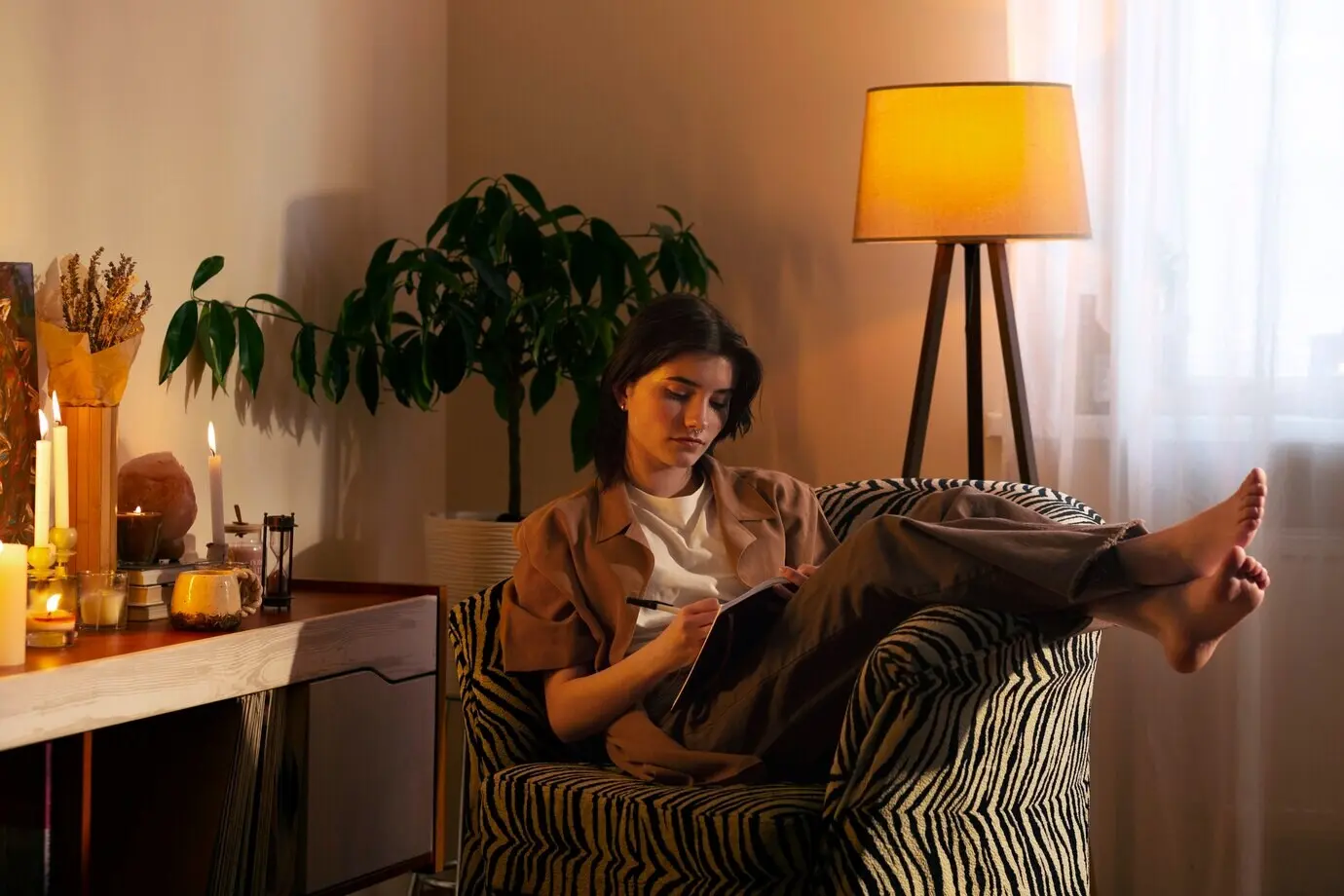
Foldaway Desks and Nesting Stations
Choose a wall-mounted drop-leaf desk or compact table that tucks under a console. Pair with a collapsible chair and a rolling cart for supplies. When folded, your living area breathes again; when opened, clear signals announce deep focus and respectful boundaries, helping everyone collaborate around changing routines gracefully.
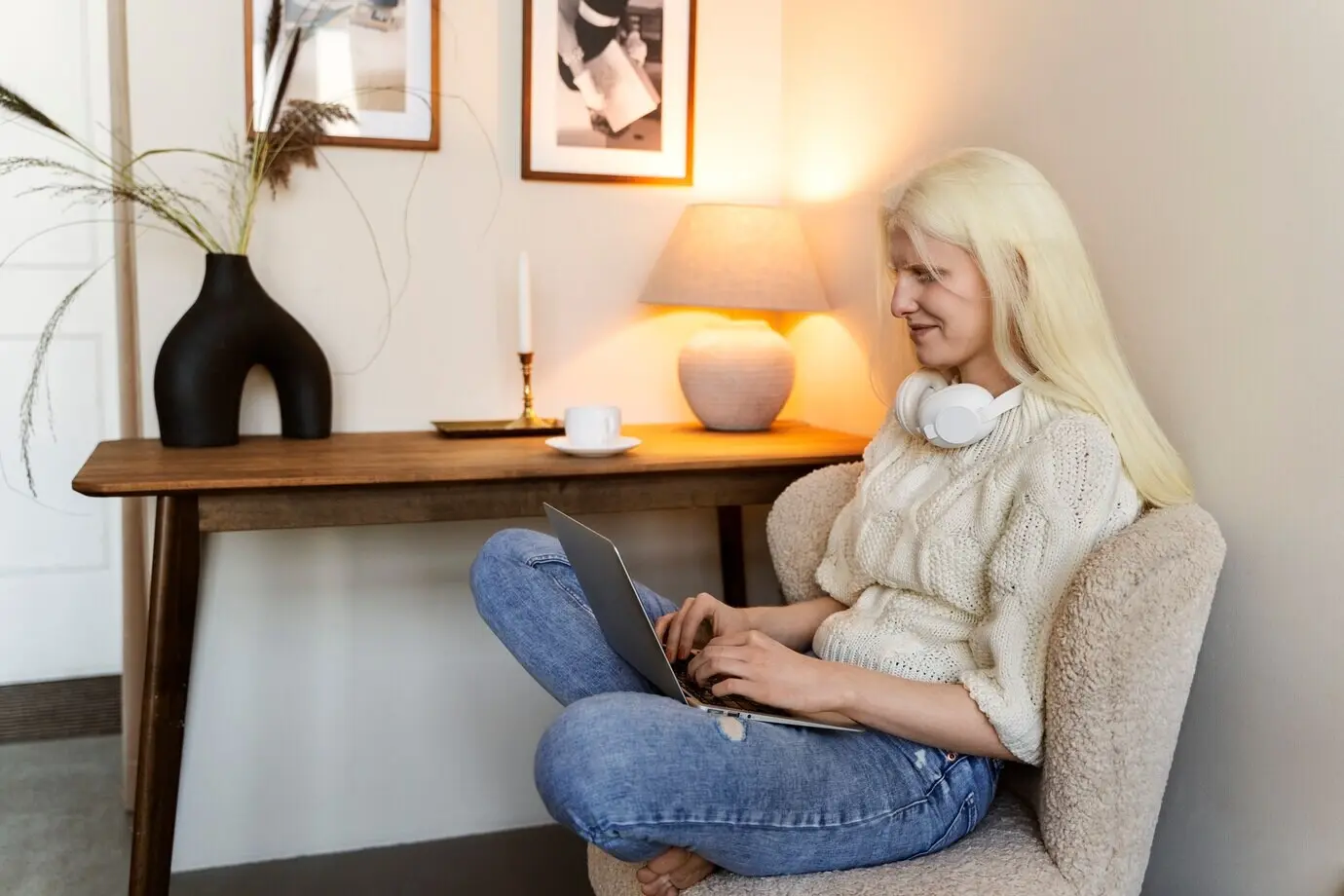
Rugs as Quiet Territory
Layer a dense rug under the desk to absorb chair scrape and keyboard clicks, then frame the lounge with a different texture. Contrasting edges guide footsteps and eyes. Treat the rug like a soft island where concentration begins and distractions gently recede, blending comfort, acoustics, and visual orientation seamlessly.